Article updated on: July 19, 2025
Understanding Stem Cells: The Basics
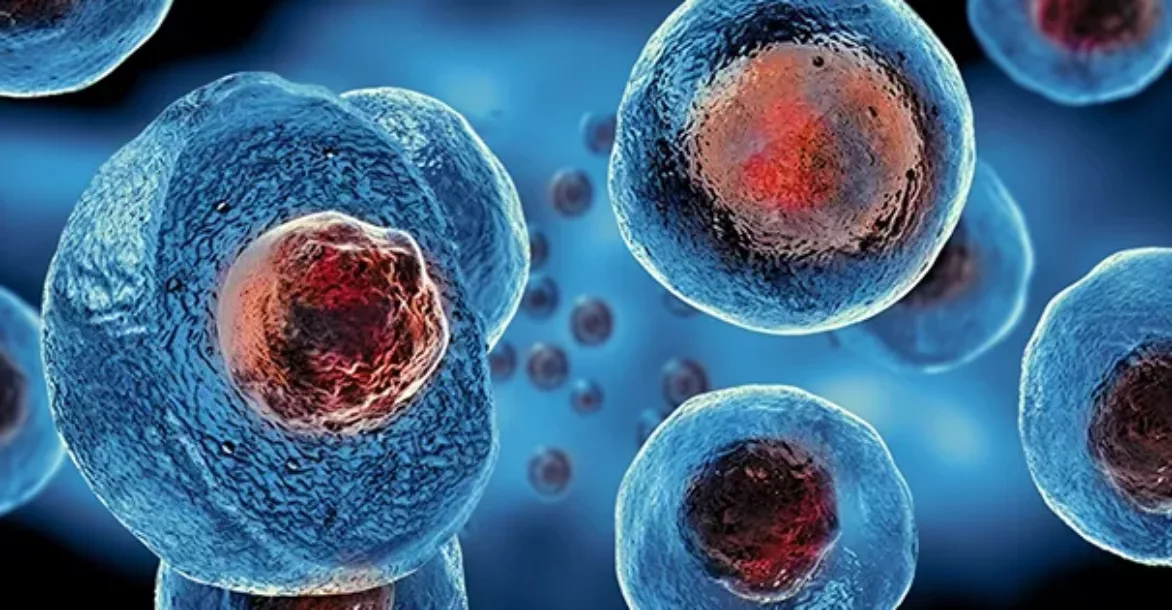
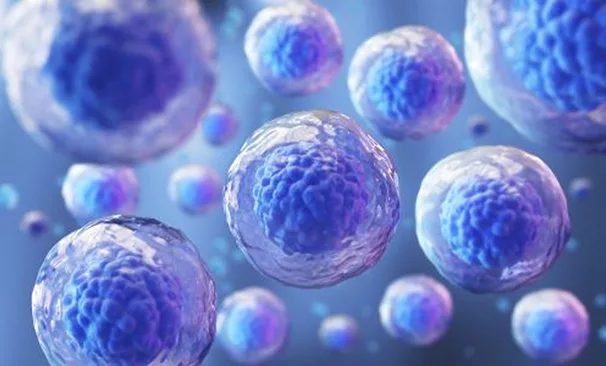
Stem cells are unique cells capable of differentiation—the process by which they transform into specialized cells such as muscle, nerve, or blood cells. They possess two key characteristics:
- Multipotency or Pluripotency – Some stem cells, like mesenchymal stem cells (MSCs), are multipotent, meaning they can develop into a limited range of cell types. Pluripotent cells, including induced pluripotent stem cells (iPSCs), have the ability to differentiate into almost any cell type in the body.
- Self-renewal – Stem cells can replicate to produce more stem cells, providing a continuous supply of therapeutic cells for healing and repair.
Historically, stem cells were first applied in bone marrow transplantation and T-cell therapy, laying the foundation for modern cellular therapies. A broader overview of stem cell evolution can be found in this article.
How Stem Cells Work in Therapy
At the core of cell therapy is the concept of using stem cells as therapeutic cells to restore or replace damaged tissue. For example:
- Tissue repair: MSCs can migrate to injury sites and promote regeneration of cartilage, bone, and muscle — processes described in sports and orthopedic injuries.
- Immune system support: Stem cells modulate immune responses, providing anti-inflammatory effects that are beneficial for autoimmune disorders and chronic inflammation — related to autoimmune disease treatment.
- Blood cancers: Hematopoietic stem cells from bone marrow or cord blood are used in cell transplantation to restore healthy blood and immune function.
- Anti-aging and rejuvenation: Research into MSCs and other stem cells suggests potential for improving tissue function, slowing degenerative processes, and enhancing overall quality of life — further explored in anti-aging & longevity therapy.
Cord-derived MSCs, in particular, are gaining attention for their robust regenerative capabilities and ethical sourcing compared to adult tissue-derived cells.
Clinical Research and Safety
Stem cell applications are not experimental in every sense—they are rigorously tested under clinical trials. These trials focus on:
- Safety and efficacy: Ensuring the cells perform as intended without adverse effects.
- Viability: Confirming stem cells remain functional after processing and transplantation.
- Clinical protocol adherence: Standardized procedures for preparation, delivery, and patient monitoring — aligned with the clinic’s treatment protocol.
- Regulatory compliance: Treatments follow GMP standards and often comply with FDA regulations, ensuring ethical sourcing and high-quality products — further explained in the science section.
Patient outcomes are central to these studies. Personalized approaches in cellular therapy aim for patient-centric results, targeting improved symptom management, tissue healing, and overall rejuvenation.
The Future of Stem Cell Medicine
Modern regenerative medicine continues to evolve. Advances in iPSCs and MSCs allow for personalized medicine, where treatments are tailored to individual patient needs. Clinical research is expanding into areas like degenerative diseases, autoimmune disorders, and aging-related conditions — many of which are covered under treatments.
The journey from bone marrow transplantation to cutting-edge cord-derived MSC therapy exemplifies how far cellular therapy has come—and how promising the future remains. Stem cells are not just biological curiosities; they are living tools for healing, with the potential to reshape medicine for generations to come.