
The main contraindications for stem cell therapy include active malignancies and active infections. Not every patient is a suitable candidate for treatment, which is why our medical team carefully evaluates each case, considering the patient's health condition, potential benefits, and possible risks. We recommend treatment only when it is medically appropriate, always prioritizing patient safety and realistic expectations.

Scientific Background of Stem Cell Application for Neurodevelopmental Conditions
Neurodevelopmental conditions encompass a diverse group of disorders affecting brain development, neural connectivity, motor coordination, communication, and cognitive function. Conditions such as autism spectrum disorder and cerebral palsy involve different biological mechanisms, which may include altered neural signaling, neuroinflammation, oxidative stress, or injury to developing brain tissues.
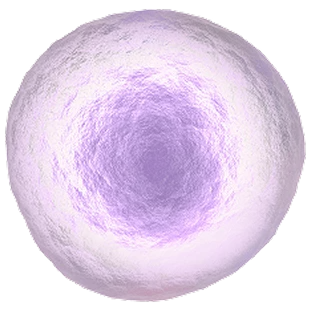
Muse-enriched mesenchymal stem cells (MSCs) offer an investigational regenerative approach by combining the immunomodulatory and neuroprotective properties of MSCs with the exceptional stress resistance, tissue-directed migration, and differentiation potential of Muse cells. These biological properties provide a scientific rationale for exploring their potential to support neural tissue health and functional recovery.
Neuroprotection: Muse-enriched MSCs release trophic and cytoprotective factors that may help protect vulnerable neural cells from oxidative stress, inflammatory injury, and other damaging processes.
Neuroinflammation Regulation: MSCs can modulate inflammatory signaling and immune cell activity, potentially creating a more favorable environment for neural function and recovery.
Neural Plasticity & Connectivity: MSC-derived growth factors and regenerative signals may support synaptic plasticity, neuronal communication, and adaptive neural processes involved in learning, movement, and functional development.
Tissue-Directed Neural Regeneration: Muse cells can respond to injury-related signals and migrate toward damaged tissues. Preclinical studies suggest that their ability to differentiate toward neural-lineage cells may contribute to repair in certain forms of neurological injury.
Motor & Neurological Support: Neuroprotective and trophic signaling may support biological processes relevant to motor coordination, muscle control, and neurological function, particularly in conditions associated with early brain injury.
Exosome-Mediated Signaling: Muse cell-derived exosomes carry bioactive molecules involved in intercellular communication, inflammatory regulation, and neural tissue protection, complementing the biological activity of living stem cells.
By combining Muse-enriched MSCs and Muse cell-derived exosomes, EmCell explores a regenerative approach aimed at supporting neural health, regulating inflammation, and promoting the biological processes involved in neurological function and tissue repair. Clinical benefits for specific neurodevelopmental conditions remain under investigation.
Conditions We Commonly Help With
Autism Spectrum Disorder (ASD), Ages 18+
Cerebral Palsy (CP), Ages 18+
Attention-Deficit/Hyperactivity Disorder (ADHD), Ages 18+

Worldwide Trust. Real Patients.
Real Results.
Discover how our patients regained health, energy, and quality of life with advanced stem cell therapy. Next-Generation Cell Therapy Product

Muse-Enriched Mesenchymal Stem Cells
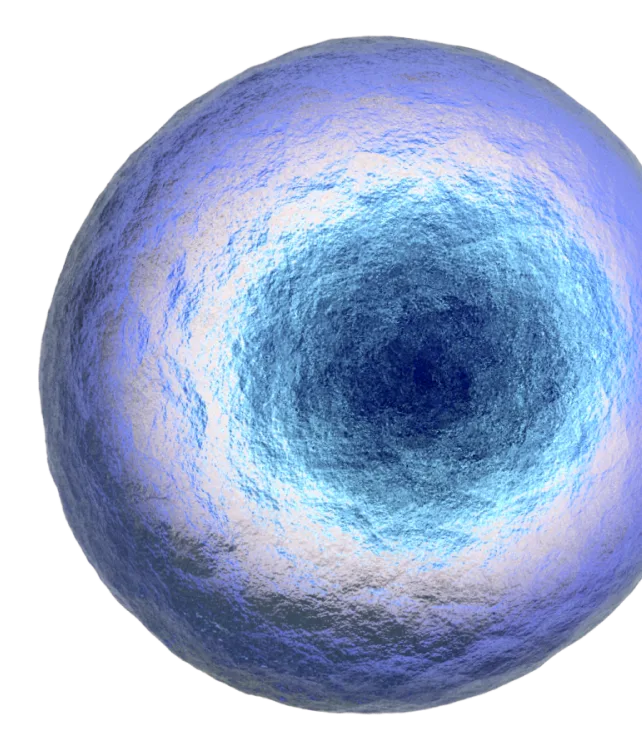
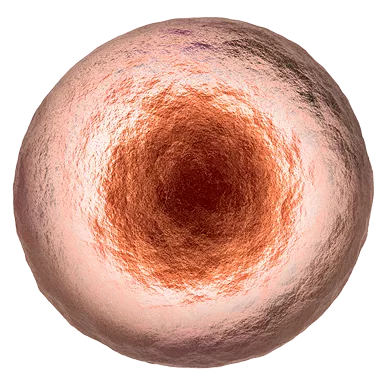
Muse (Multilineage-Differentiating Stress-Enduring) cells are a naturally occurring, stress-resistant subpopulation of mesenchymal stem cells (MSCs) derived from umbilical cord tissue, distinguished by their unique biological properties and regenerative potential.
Bioactive Exosomes
Exosomes derived from Muse cells carry a distinctive profile of bioactive signaling molecules that reflects the regenerative characteristics of their cellular source. These molecules are involved in tissue repair, immune modulation, and anti-inflammatory processes, complementing the regenerative potential of living stem cells.
Mesenchymal Stem Cells
We use carefully selected, early-passage MSCs cultivated to preserve their high proliferative capacity, regenerative potential, and immunomodulatory properties. Our advanced manufacturing and quality control processes help maintain cell viability, biological activity, and consistency, providing a strong cellular foundation for our combined regenerative therapy.
Combined Regenerative Approach
EmCell combines MSCs, Muse cells, and Muse cell-derived exosomes in an integrated regenerative approach. MSCs provide immunomodulatory and regenerative support, Muse cells offer exceptional stress resistance and tissue-targeting potential, while exosomes deliver bioactive signals that support cellular communication and repair. Together, they aim to promote cellular health, regeneration, and long-term vitality.
Quality Beyond Cell Quantity
Rather than focusing solely on delivering the highest number of cells, EmCell prioritizes a Muse-enriched population characterized by cellular identity, viability, biological activity, and regenerative potential. Our approach emphasizes the biological quality and composition of the therapeutic preparation.
Quality & Safety Control
Every EmCell cell preparation undergoes rigorous quality and safety testing throughout production, including morphological and phenotypic analysis, cell viability, proliferative and differentiation potential, and exosome secretion. Additional controls include sterility testing, endotoxin detection, and PCR-based viral screening to ensure product consistency and compliance with established safety standards.
Ready-to-Use Cell Preparations
EmCell’s cryopreserved stem cell preparations are ready for clinical use after controlled thawing and final quality checks. Our standardized production and storage processes ensure consistent product quality and eliminate the need for patient-specific cell collection or lengthy cultivation, allowing timely access to advanced regenerative therapy.
Expected Benefits of Our Neurodevelopmental Conditions Stem Cell Therapy
Imagine experiencing improvements such as:
- Improved motor skills, coordination, and balance
- Better muscle control, mobility, and physical function
- Enhanced attention, concentration, and cognitive abilities
- Improved communication and social interaction
- Better emotional regulation and behavioral adaptability
- Improved sensory processing and responsiveness
- Greater independence in daily activities
- Enhanced overall well-being and quality of life
Note: These are potential therapeutic goals, not established outcomes of stem cell therapy. Results may vary depending on the diagnosis, severity, overall health, and individual response. Stem cell therapy is intended to complement, not replace, established medical care and rehabilitation.
Our personalized stem cell programs aim to support neurological function, encourage greater independence, and help patients improve quality of life.

Download Your Guide to Stem Cell Therapy
Interested in stem cell therapy but don’t know where to start? Our free guide answers the most common questions, explains the science behind our therapies, and much more!
Neurodevelopment Conditions Treatment Program
We provide a personalized treatment program tailored to each patient's individual needs, including customized stem cell and exosome dosages, targeted administration methods, and complementary supportive therapies. All procedures are performed under the supervision of experienced medical professionals, with a strong focus on patient safety and comfort.
General program information:
- Length of stay: 4 nights
- Treatment schedule: 3 days
- Day 1: Medical examination, laboratory tests, and first treatment session
- Day 2: Second treatment session, including local injections if indicated
- Day 3: Third treatment session and final medical assessment
Preparations and Administration Methods:
- Intravenous infusion of Muse-enriched mesenchymal stem cells (MSCs)
- Complementary administration of Muse cell-derived exosomes
- Individualized dosages and administration methods based on medical assessment and treatment goals
Additional Support and Guidance:
- Complementary supportive therapies tailored to individual needs
- Personalized post-treatment recommendations and medical report
- Medical supervision throughout the treatment program
Note: The program includes four nights of hotel accommodation, Wi-Fi, VIP airport arrival assistance, and airport, hotel, and clinic transfers.
You Probably Have Questions.
We’re Here to Help.
What are the contraindications for stem cell treatment? Can anyone become a patient?
Are there any side effects?
Multiple peer-reviewed studies have shown that mesenchymal stem cells are a safe cell product. At EmCell Stem Cell Center, we have never had any patients report harmful effects from their infusion or a worsening of their condition.
Common short-term side effects immediately following the cell infusion may include fatigue, headache, and nausea. Patients are under direct medical supervision for the entire treatment and a recovery period of 1–2 hours. We have not observed any side effects.
How long does it take to see results?
Patients have reported measurable results within 3–6 months following the program. This is indicated by a marked reduction in systemic inflammation and improvements in overall vitality, as measured by our follow-up questionnaire. However, it is common for patients to notice enhancements in their quality of life and a reduction in symptoms within the first few weeks after their infusion. Every patient is unique, and responses to the program may vary.
What are exosomes?
Exosomes are tiny particles naturally released by cells that carry important signals, proteins, genetic material and factors. They help cells communicate with each other, support tissue repair, reduce inflammation, and promote healthy brain and immune system function.
Why can’t I receive the same stem cell treatments in the USA?
Current stem cell treatments in the United States are conducted under FDA-approved clinical trials. Although the results are promising, final FDA approval for many of these therapies is still several years away. EmCell has over 30 years of successful clinical experience with various stem cell applications, ensuring that your treatment is based on proven expertise rather than participation in experimental trials.

Ready to get started?
Take the first step toward a healthier life with our advanced stem cell therapy.